
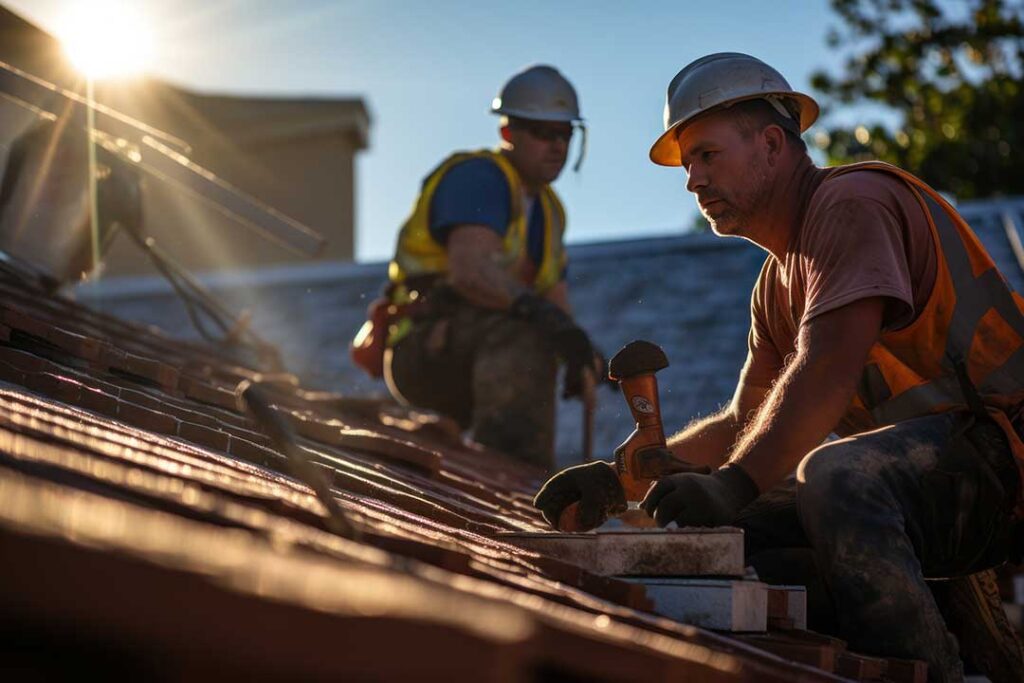
How Often Should Local Homeowners Schedule Roof Inspections?
Most homes in Grand Island, NY benefit from a thorough roof inspection at least once a year. This general guideline serves homeowners well because of the area’s exposure to a mix of harsh winters, heavy spring rains, and humid summers. If the roof is nearing the end of its expected lifespan or has previously sustained damage, increase the frequency to twice annually.
Outside this regular schedule, certain situations warrant an extra inspection—such as after major storms or visible changes in your roofing materials. Many residents assume that inspections are only necessary if there’s an obvious leak or visible shingle loss, but small issues can be hard to spot from the ground.
What Are Signs That Your Roof Needs Attention Between Regular Inspections?
Sudden events or noticeable changes should prompt an unscheduled inspection. Grand Island roofs experience strong winds, hail, and freeze-thaw cycles that can stress even newer materials. Direct warning signs include:
- Clogged or overflowing gutters caused by shingle granules
- Noticeable stains or spots on ceilings or attic surfaces
- Broken, curling, or missing shingles after a storm
- Growth of moss, algae, or lichen
Even without visible damage, residents who hear persistent dripping during thaws or see light coming through attic boards should check their roofs sooner.
Does the Weather in Grand Island Affect When Inspections Should Be Done?
Yes, timing inspections around local seasonal patterns improves safety and accuracy. Early spring and late fall are optimal. During early spring, inspectors can assess any hidden winter damage caused by ice dams or snow loads. Late fall inspections help prepare for the coming cold and ensure problems are addressed before temperatures drop.
Avoid inspection work during ice, heavy snow, or strong winds. These conditions not only make roofs slippery but can also mask damage that needs closer evaluation once surfaces are dry and clear.
What If There’s Been a Recent Severe Weather Event?
After windstorms, hail, or heavy rain, a prompt post-storm inspection offers practical peace of mind. Even if roofing appears intact from the ground, strong winds in the area can lift shingles or damage flashing, while hail can cause pitting that isn’t immediately obvious.
Area residents sometimes assume no immediate leaks mean there’s no damage, but water can work slowly through even small vulnerabilities, only appearing after weeks or months. It’s safer to check soon after a major event rather than waiting for symptoms.
Are Certain Roof Types or Ages More at Risk?
Older roofing materials and certain roof styles common in Grand Island neighborhoods may require more frequent checks. If your roof is over 15-20 years old, annual inspections become more important, and semi-annual checks may be wise. Flat or low-sloped roofs, which are less common but present in some municipal buildings and additions, are also more susceptible to pooling water and ice damming.
Residents with skylights, chimneys, or multiple roof levels should pay extra attention, as these features create natural weak spots. Overlooking small issues around these areas can lead to widespread damage if not caught early.
What Should Homeowners Expect During an Inspection?
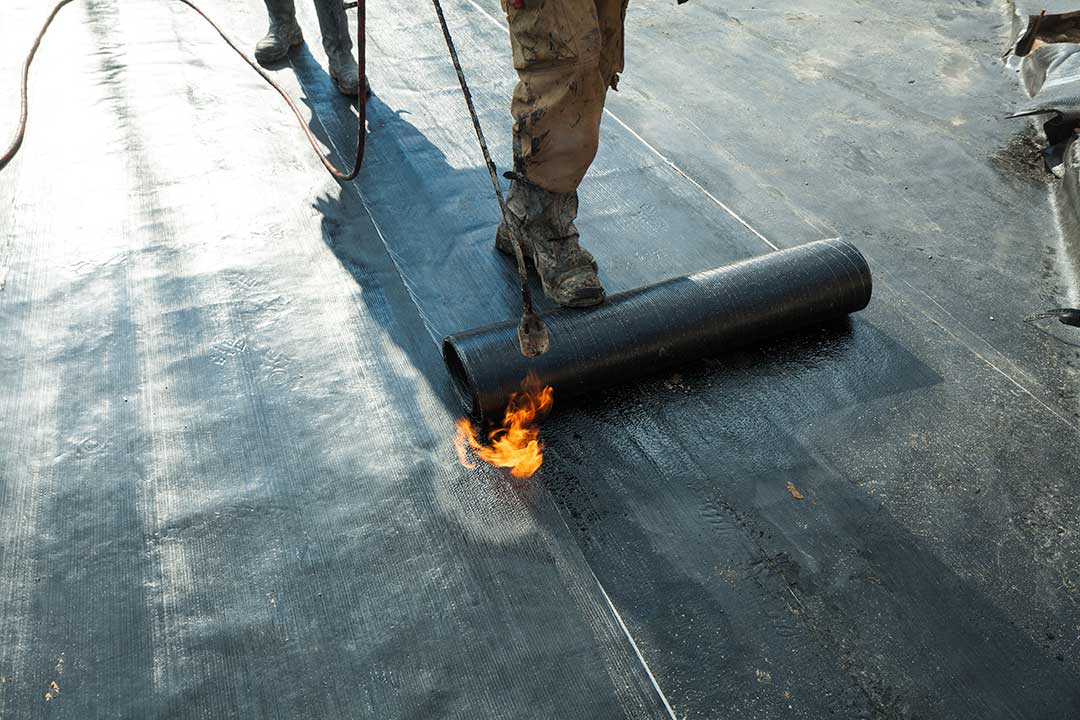
A standard inspection evaluates the following:
- Shingles or tiles for damage, wear, or missing pieces
- Condition of flashing around vents, chimneys, and skylights
- Gutters and downspouts for blockages or detachment
- Attic and ceiling areas for stains, moisture, or daylight gaps
Modern inspections often include photos or detailed notes for reference over time. Homeowners should expect clear explanations of what was found, focusing on practical next steps if any concerns are identified.
Can You Inspect a Roof Yourself, or Is Professional Assessment Required?
Many Grand Island homeowners safely perform basic visual checks from the ground—such as scanning for shingle debris, checking gutters, or examining the attic for leaks. Binoculars can help with closer looks without climbing. For steep, high, or visibly damaged roofs, or whenever safety is a concern, it’s safer to leave physical inspections to trained individuals with proper equipment.
Do not attempt to access the roof during icy, wet, or windy weather, and always prioritize personal safety. If unsure, an attic inspection for staining, mold, or daylight can provide valuable clues without going outdoors.
Are There Local Regulations or Recommendations to Consider?
Grand Island homeowners should be aware that some homeowner associations or insurance policies may specify required inspection intervals, particularly for aged roofs or properties with historical features. While there are not typically municipal regulations dictating inspection schedules for private homes, following insurance guidelines helps ensure adequate coverage and simplifies claims if storm or weather damage occurs.
If preparing to sell a home, a recent inspection report may be requested during the transaction process, so timing one in advance can benefit resale plans. Likewise, insurance claims for roof damage may be easier if routine maintenance has been well documented.
