
What Are the Most Common Parts of a Roof?
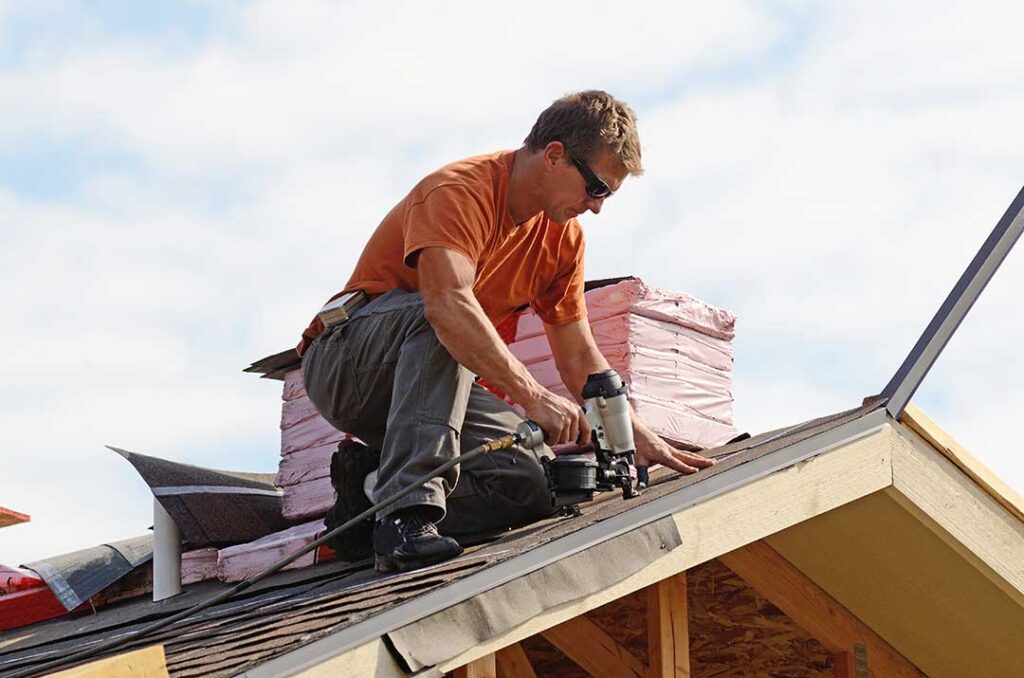
The structure of a residential roof involves more than just the shingles visible from the street. Local homes in Grand Island, NY often feature sloped, asphalt shingle roofs designed to withstand winter snow and summer storms. The main components homeowners are likely to hear about include:
- Decking (Sheathing): The flat boards (often plywood or OSB) forming the base that everything else sits on.
- Underlayment: A protective layer—such as felt or synthetic material—placed between the decking and shingles. It adds moisture protection, especially useful in the variable climate of Grand Island.
- Shingles: The outermost, visible portion designed to shed water and protect against sun, wind, and debris.
- Flashing: Metal pieces installed at joints and roof edges to keep water from seeping into vulnerable spots like chimneys, valleys, or skylights.
- Ridge: The highest horizontal line along the peak of the roof. Ridge caps or vents often cover this area.
- Soffit and Fascia: The soffit is the underside of roof overhangs, aiding attic ventilation. Fascia is the vertical finishing edge that gutters are usually attached to.
Understanding these terms can help local homeowners when discussing repairs, replacements, or inspections.
What Does "Roof Pitch" Mean and Why Does It Matter Here?
Roof pitch is the angle or steepness of your roof, usually expressed as a ratio (for example, 6:12 means 6 inches up for every 12 inches across). In Grand Island:
- Steep pitches shed snow and rain more efficiently, which is helpful given the region’s winter conditions.
- Flatter roofs may require additional waterproofing and attention to drainage to reduce the risk of leaks or ice dams.
Knowing your roof’s pitch helps when planning future renovations or discussing material options.
Why Is Proper Ventilation Discussed So Often?
Ventilation refers to how air moves through attic and roof spaces. Proper ventilation in Grand Island homes helps prevent:
- Ice dams, which occur when warm attic air melts snow that then refreezes at eaves
- Moisture buildup, which can lead to mold or rot
- Overheating, particularly in summer
Common terms include ridge vent (at the roof’s peak) and soffit vents (under eaves), which work together to circulate air. Homeowners with older houses may find their ventilation is insufficient and may need upgrades.
What Is Ice Damming and How Are These Roof Issues Prevented?
An ice dam is a thick ridge of ice that forms at the roof edge, stopping melting snow from draining off the roof. This is a frequent concern in Grand Island:
- Ice dams cause water to back up under shingles, leading to leaks and damage inside the home.
- Key terms to recognize: ice and water shield, which is a self-adhering underlayment especially installed along eaves and valleys.
Many local homeowners add ice and water shield in vulnerable spots, even if current codes don’t require it, for added peace of mind during harsh winters.
What Do Roofing Warranties and "Square" Mean?
- Square: This is a measurement unit commonly used by roofers. One square equals 100 square feet of roofing area. When budgeting or comparing estimates, knowing how many “squares” your roof covers will clarify costs.
- Warranties: There are typically two types—manufacturer warranties covering shingle defects and workmanship warranties covering installation errors. Weather in Grand Island can be tough on roofs, so understanding what your warranty covers (and for how long) can help when evaluating repairs or replacements.
What Is the Difference Between a Leak and General Moisture Infiltration?
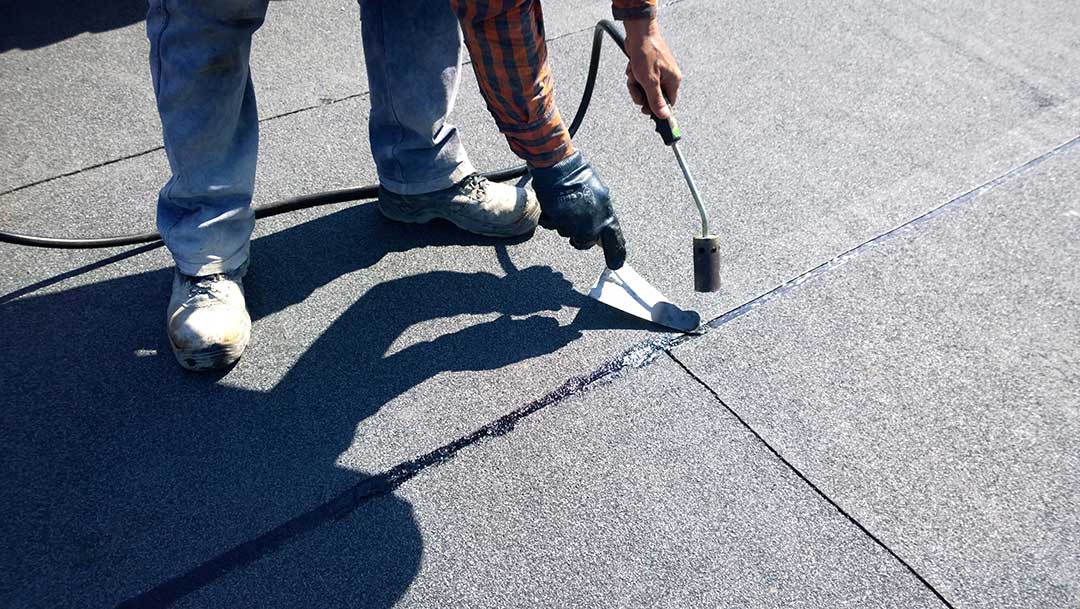
A leak is usually a specific spot where water enters, like around a cracked shingle or rusty flashing. Moisture infiltration can be more subtle, appearing as interior staining, mold, or a musty smell. In seasonal climates like Grand Island:
- Freeze-thaw cycles can open up small entry points for water, especially if flashing or sealants are aging.
- Checking both the attic and exterior regularly can catch issues before they become more serious.
How Do Local Climate and Roofing Materials Affect Each Other?
Grand Island’s weather—cold winters, potential for lake-effect snow, warm summers—means roofing materials must be chosen and installed carefully. Key material terms to know:
- Asphalt shingles: Most common, affordable, and performs well in mixed weather.
- Architectural shingles: Thicker and more durable than “three-tab” varieties.
- Ice and water shield: Applied beneath shingles in key areas for added protection.
- Synthetic underlayment: Often preferred over traditional felt for better durability in areas where snow and wind can affect roof performance.
Understanding material options and what’s typical for local homes gives area residents more confidence when making roofing decisions.
What Are Eaves, Valleys, and Hips?
- Eaves: The lower edges of the roof that overhang the walls; gutters are installed here.
- Valleys: Where two sloped areas meet, forming a channel for water runoff—often a trouble spot for leaks if poorly maintained.
- Hips: The external angle formed by the meeting of two sloping roof sides, more visible on more complex roof shapes.
Each of these areas has its own set of maintenance needs, particularly after storms or significant snowfall.
Why Is Knowing These Terms Helpful for Local Homeowners?
Understanding roofing language helps Grand Island residents communicate effectively with inspectors, insurers, and repair professionals. It enables more informed decisions about roof maintenance and upgrades, reduces the likelihood of misunderstandings, and supports proactive care—especially in a climate subject to sudden weather changes and long winters.
