
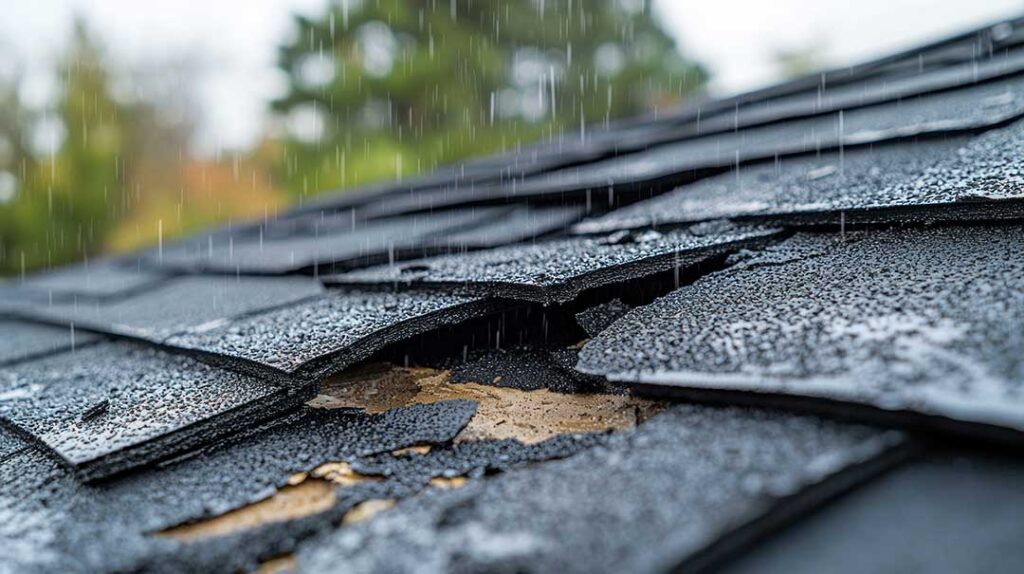
Why Is Proper Documentation Important After Roof Damage in Grand Island, NY?
Successful insurance claims rely heavily on accurate and thorough documentation. For residents of Grand Island, winter storms, heavy winds, and seasonal weather shifts can cause significant roof damage. Without the right documentation, claims may be delayed or reduced, making it crucial to understand the process.
What Should Be Documented When Suspecting Roof Damage?
Begin by recording every detail you observe—no matter how minor it seems. Insurance companies often require proof of the type, extent, and cause of the damage. For local households, this might mean:
- Taking photographs of missing shingles, broken flashing, water stains, and any other visible harm.
- Noting the date and time of the event (especially after a significant weather incident).
- Listing every area of the roof believed to be affected.
How Can You Safely Capture Photos and Video?
Safety must always come first during roof inspections, especially in icy or slick conditions. Residents commonly use a smartphone or digital camera to document as much as possible from the ground or through an upstairs window. Consider these tips:
- Use binoculars or a zoom lens to capture closeups from a distance.
- Walk the perimeter of the home and photograph each side, focusing on damaged areas, debris, gutters, and downspouts.
- Take both wide-angle photos to show context and detail shots for closeups of specific damage.
Do not attempt to climb onto a roof if it is slippery, unstable, or unsafe—weather in Grand Island can make this risky, particularly after snow or heavy rainfall.
What Paperwork and Records Can Support Your Claim?
Alongside photos, start gathering paperwork that helps demonstrate the age, condition, and history of the roofing system. Helpful records include:
- Original roof installation contract and receipts
- Warranty documents
- Recent repair or maintenance invoices
- Any previous inspection reports
These records assist insurance adjusters in verifying the pre-damage condition and age of materials, which are common factors in coverage decisions.
How Does Grand Island’s Climate Affect Evidence Collection?
Seasonal weather patterns in Grand Island—including heavy snowfall, ice dams, and high winds—frequently impact roofing. When documenting, note if the damage follows a specific weather event. For example:
- After a blizzard, photograph areas where ice dams have formed or where snow loads may have caused sagging.
- Following windstorms, capture evidence of displaced shingles or exposed decking.
Linking the damage to a recognized local weather event (such as a publicly reported storm) strengthens a claim, particularly when insurance carriers request supporting news reports or weather data.
How Detailed Should Your Written Notes Be?
Your written summary serves as a companion to photographic evidence. It’s useful to log:
- The date and time you noticed the damage
- Detailed descriptions of each issue (missing shingles, soft spots, leaks)
- Any immediate steps you took to limit further harm (tarping, moving personal property)
- Conversations or correspondence with your insurance provider
These notes help ensure you remember precise details if questions arise weeks or months later.
What Mistakes Do Homeowners Commonly Make in This Process?
Several frequent missteps can weaken a claim. Some common pitfalls seen in Grand Island include:
- Waiting too long after discovering damage, leading to disputes over when the problem occurred
- Cleaning up debris or making repairs without proper documentation first
- Forgetting to include interior damage, such as ceiling stains or attic leaks, which can be as crucial as exterior photos
Avoid these errors by documenting everything before any cleanup or emergency repairs.
Should You Include Evidence of Preventative Maintenance?
Insurance companies often ask if damage was due to neglect or sudden events. Including proof of past maintenance—like cleared gutters, regular inspections, or repaired flashing—demonstrates responsible homeownership. This is particularly relevant for older homes in the city, as some insurers scrutinize maintenance history closely in such cases.
What If You Notice Damage at a Neighbor’s Roof Too?
If multiple homes in your area show similar storm damage, take note. Sometimes, insurance adjusters prefer to see that the event impacted more than just one property. Without violating privacy, you might reference widely visible signs of area damage when explaining your situation to your insurer.
How Is Documentation Submitted to Your Insurance Provider?
Most insurance carriers allow digital submissions. Organize your file with:
- A clear, chronological set of images
- Written notes and summaries for each section
- Copies of all supporting documents
Save everything in case you need to provide more details. If unsure, refer to the policyholder instructions provided by your insurer for acceptable file types and preferred method of communication.
What Happens After You Submit Your Documentation?
Once documentation is submitted, an adjuster will likely request an in-person or remote inspection. Strong evidence helps make this step faster and more accurate, reducing the need for follow-up and clarifications.
