
What Should Grand Island, NY Homeowners Know Before Installing Solar Panels?
Solar panels can bring meaningful energy savings and environmental benefits to area households, but many residents wonder how solar interacts with their roof. The process involves more than just mounting panels; understanding the condition, type, and structure of your roof is key. Before making any decisions, it’s helpful to be aware of common roof-related considerations unique to Grand Island’s climate and residential building patterns.
Is My Roof a Good Fit for Solar Panels?
Not every roof is equally suited for solar installation. A roof’s age, material, pitch, and sunlight exposure play a key role in solar viability. In Grand Island, many homes feature asphalt shingles, although some older homes use slate or metal. Asphalt shingle roofs work well for most installations, but other materials can require extra considerations.
- Roof age matters—a roof nearing the end of its lifespan may need replacement before panels are added.
- The direction your roof faces can affect how much sunlight your panels generate. In this region, south-facing sections tend to get the most sun.
- Shade from mature trees, neighboring buildings, or large chimneys can reduce effectiveness.
How Does the Local Climate Impact Solar and Roofing Decisions?
Grand Island’s climate brings snowy winters, spring rains, strong winds, and sunny, humid summers. These conditions influence both your solar system’s performance and your roof’s longevity.
- Snow accumulation: Roofs with steep pitches typically shed snow more easily, but flat or low-slope roofs may see more buildup. Some systems include snow guards to protect panels and roofing.
- Wind uplift: Panels must be anchored according to local codes to withstand gusty weather common near the Niagara River.
- Ice dams: Proper roof ventilation and insulation remain vital alongside solar panels, as trapped heat can still lead to ice damming around panel mounts.
- Moisture: Ensuring that attachment points are well-sealed helps prevent leaks, especially in older roofs that may already have some vulnerability to water intrusion.
Will Solar Panel Installation Damage My Roof?
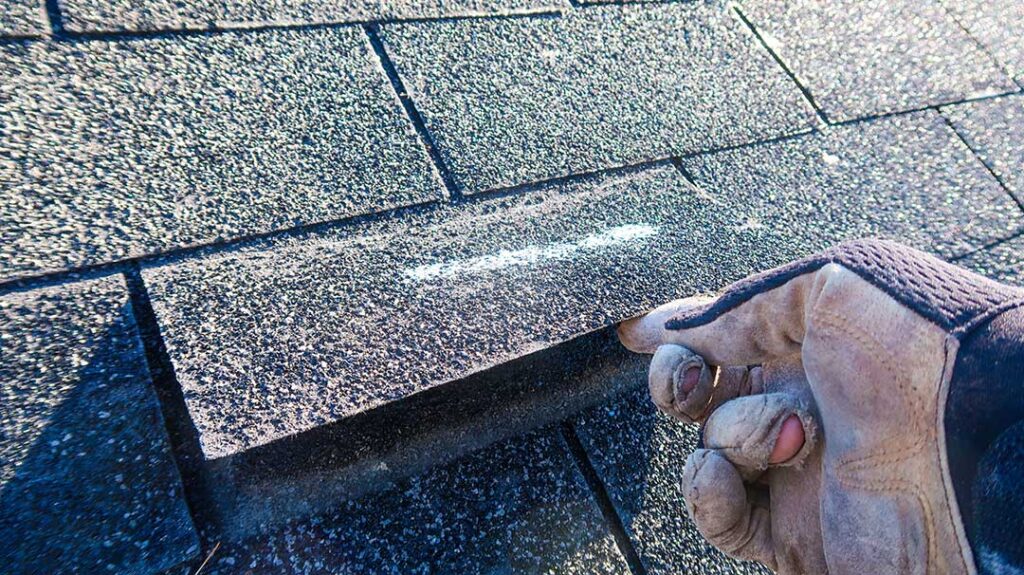
Done properly, solar installation does not harm your roof. Installers use racking systems attached to the roof structure, sealed with flashing and weather-resistant materials. However, the risk of future leaks or shingle damage is higher if:
- Your roof is already aging or damaged before installation
- Incorrect installation fails to properly seal penetrations
- The wrong mounting hardware is used for your specific roofing material
A careful pre-installation roof assessment can help identify and address potential issues, potentially saving costly repairs later.
Should the Roof Be Replaced Before Installing Solar Panels?
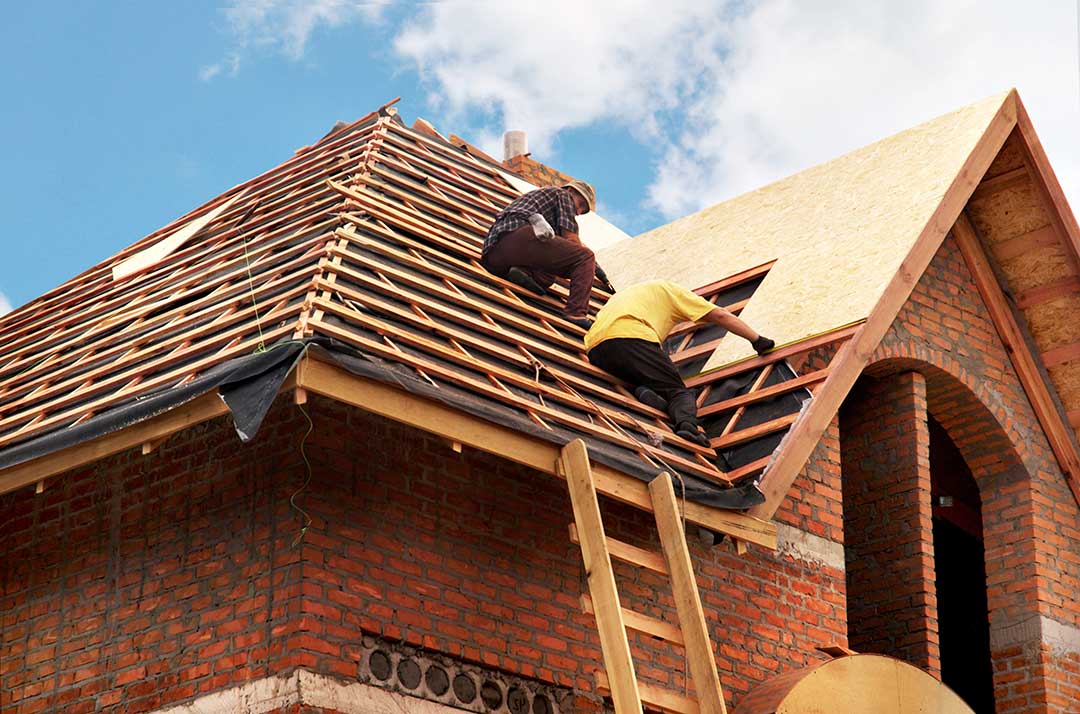
It often makes sense for Grand Island residents to coordinate roof replacement and solar installation if a roof is approaching the end of its expected life—typically around 18-25 years for asphalt shingles. Solar panels themselves can last 25 years or more, and removing panels to replace the roof midway can be expensive.
A practical rule of thumb: if your roof is over 15 years old or shows signs of curling shingles, frequent leaks, or soft spots, consider roof replacement before adding solar. This way, the panels and roof age together, minimizing disruption.
What Local Regulations Affect Solar Installations?
The community follows local building codes and ordinances, which are enforced through required permitting and inspections for solar panel installations. Grand Island has additional rules to ensure installations are safe, do not impede firefighting access, and avoid damage to homes or public utilities.
- Building permits are required, and your solar installer should coordinate these with municipal offices
- Roof structural load assessments may be mandated, especially for older homes or homes with unconventional framing
- Some neighborhoods or homeowners’ associations may have their own review processes
Residents are encouraged to review the local municipal website or contact the building department for specific requirements related to their property.
How Do Seasonal Conditions Affect Solar Panel Performance?
Solar panels work year-round, but energy production fluctuates across the seasons. In Grand Island, shorter winter days and snow cover can temporarily reduce solar output, while long, sunny summer days maximize generation.
- Snow accumulation: Light snow will usually melt off quickly with normal sun exposure and panel warmth, but heavy storms can temporarily block sunlight.
- Leafy shade in spring and summer: Tree shade can be more significant when trees are in full leaf, affecting output compared to bare-branched winter months.
- Regular cleaning is usually minimal, as rain helps remove dust or pollen—but homeowners should watch for debris collecting under panels.
What Are Common Misconceptions About Solar Panels and Roofs?
Some residents worry that panels will cause leaks or require significant roof alterations. With today's technology and methods, these risks are minimal when best practices are followed. Other myths include:
- Believing all roofing types are equally suitable: Metal, tile, or older styles occasionally require specialized racking and additional attention.
- Thinking solar panels insulate the roof: While panels do provide some shade, they do not take the place of attic insulation or ventilation.
- Assuming roof warranties are voided: Check specific terms—well-installed panels usually do not void standard roofing warranties, but unauthorized alterations might.
Practical Tips for Grand Island Households
Local homeowners considering solar can improve their experience by:
- Scheduling a thorough roof inspection before any installation
- Understanding existing roof age and material, and coordinating upgrades if needed
- Planning installation for spring or summer to avoid peak snow season and allow for easier scheduling
- Keeping accessible paths for snow removal and roof inspection after installation
- Reviewing local permit requirements in advance to avoid potential delays
Taking these steps can help area residents confidently add solar while protecting their home's most essential weather barrier.
