
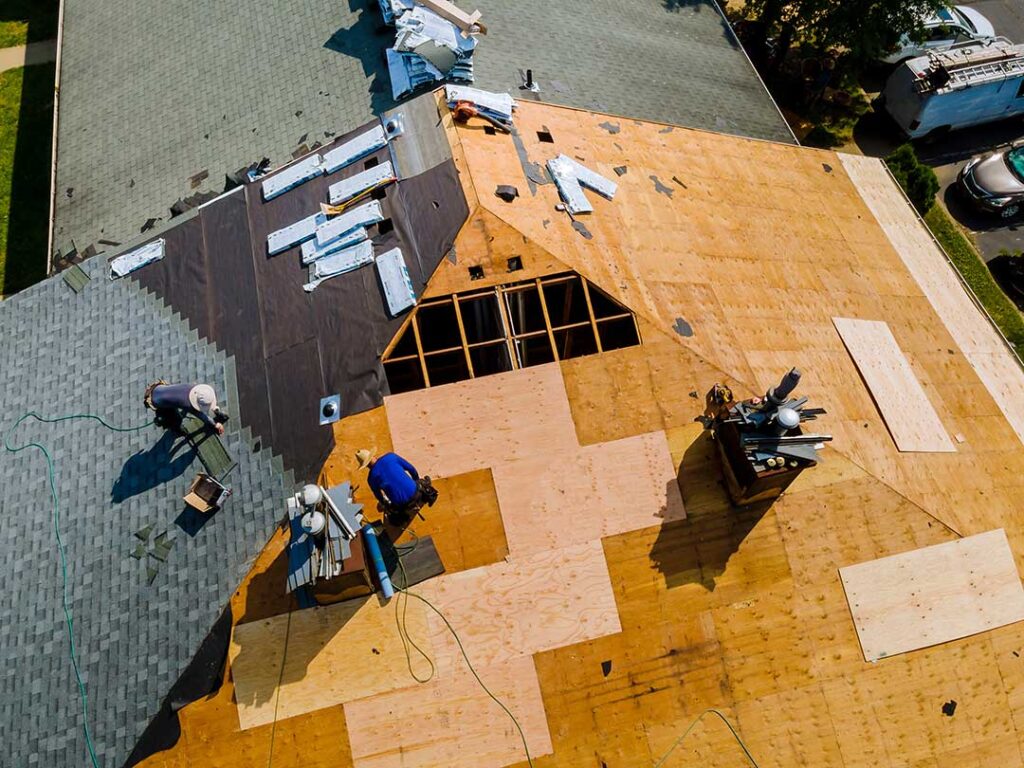
Renovation work can damage a roof even when the project is focused on walls, windows, siding, or interior rooms. Foot traffic, falling materials, exposed roof openings, vibration, and temporary coverings can all create problems that may not appear until the next rain, windstorm, or freeze.
For homeowners in Grand Island, NY, protection deserves extra attention because renovation work may take place through changing weather, including wind, heavy rain, snow, ice, and rapid temperature shifts. A roof should be treated as an active part of the worksite, not as a surface that can be used for storage or access.
Which renovation activities create the greatest roof risk?
Projects that involve roof access, exterior walls, chimneys, skylights, plumbing vents, or electrical work create the most immediate risk. However, interior renovations can also affect the roof if materials are carried through attic spaces or if workers need to install new vents, exhaust fans, or wiring.
Common hazards include:
- Ladders resting against gutters, shingles, flashing, or roof edges
- Workers walking across areas not designed for regular foot traffic
- Tools, fasteners, lumber, and demolition debris falling onto the roof
- Building materials stored on roof sections or against roof penetrations
- Dust and debris entering attic ventilation openings
- Temporary openings left uncovered overnight
- Tarps or plastic sheeting secured in ways that trap water or lift in the wind
- Vibrations from framing, demolition, or equipment loosening older materials
Even a small puncture in a shingle or membrane can allow water to reach underlayment, roof decking, insulation, or interior ceilings.
How should a roof be protected before work begins?
The safest approach is to identify the roof’s vulnerable areas before renovation materials arrive. A basic inspection should look for loose or missing shingles, cracked sealant, aging flashing, soft decking, damaged gutters, and exposed fasteners.
Documenting existing conditions with photographs can also help distinguish previous damage from problems caused during construction. Photos are especially useful around:
- Chimneys and roof-to-wall intersections
- Skylights and plumbing vents
- Valleys and low-slope sections
- Eaves, gutters, and downspouts
- Areas beneath ladders, scaffolding, or material hoists
The work plan should specify where ladders, scaffolding, debris chutes, and delivery equipment will be placed. If a roof section is already weak or deteriorated, it should not be used as a walking route or staging area.
Can building materials be stored on the roof?
Roof surfaces generally should not be used as storage areas unless the roof structure and the material placement have been specifically evaluated. Concentrated weight can stress roof decking, rafters, trusses, and older framing. Stacks of shingles, drywall, tile, lumber, or masonry materials can also create uneven loads.
Materials left on a roof may slide during rain, snow, or wind. They can damage shingles, block drainage paths, and puncture flashing. Metal scraps and loose fasteners are particularly troublesome because they may cause rust stains, tire punctures, or hidden punctures in roofing materials.
Materials should remain on stable ground or on properly designed platforms. Keeping walkways and roof drainage areas clear is equally important.
How can ladders and scaffolding be used without damaging roofing?
Ladders should not rest directly against gutters, drip edges, skylight frames, or fragile roof coverings. Pressure from ladder feet or rails can bend metal components, break brittle shingles, and deform gutter systems.
Where roof access is unavoidable, protective measures should distribute weight rather than concentrate it in a small area. Workers may use designated access equipment, roof brackets, walk boards, or temporary platforms suited to the roof type. These measures must be installed correctly; improperly placed boards can slide, scrape granules from shingles, or create new punctures.
Scaffolding should be independently supported whenever possible instead of bearing on the roof edge. If a scaffold, lift, or hoist must be positioned near the building, its relationship to gutters, eaves, siding, and roof drainage should be considered before installation.
What should happen if the roof is opened during renovation?
Any roof opening should be planned around weather conditions and covered with a secure, water-shedding system before the work crew leaves. A loose tarp is not a dependable long-term roof covering. Wind can lift it, water can collect beneath it, and fasteners can tear the roofing surface.
Temporary protection should:
- Extend far enough above and below the opening to direct water away
- Be fastened to sound structural areas rather than only to damaged roofing
- Avoid blocking drainage routes
- Remain secure during wind and precipitation
- Be checked after severe weather
- Be removed or replaced as soon as permanent work is ready
A roof opening should never be left exposed simply because the weather forecast appears clear. Conditions can change quickly, and overnight dew, frost, or unexpected rain can enter insulation and framing.
How does Grand Island weather affect renovation planning?
Wind is a major concern for temporary coverings, loose materials, ladders, and debris. A calm morning does not guarantee calm conditions later in the day, particularly around open roof areas and elevated work platforms.
Snow and ice add other risks. Snow can conceal roof edges, fasteners, damaged shingles, and open penetrations. Ice increases the chance of slipping and can make temporary covers difficult to secure. Roofing materials may also become brittle in cold weather, while sealants and adhesives may not perform properly below their specified application temperatures.
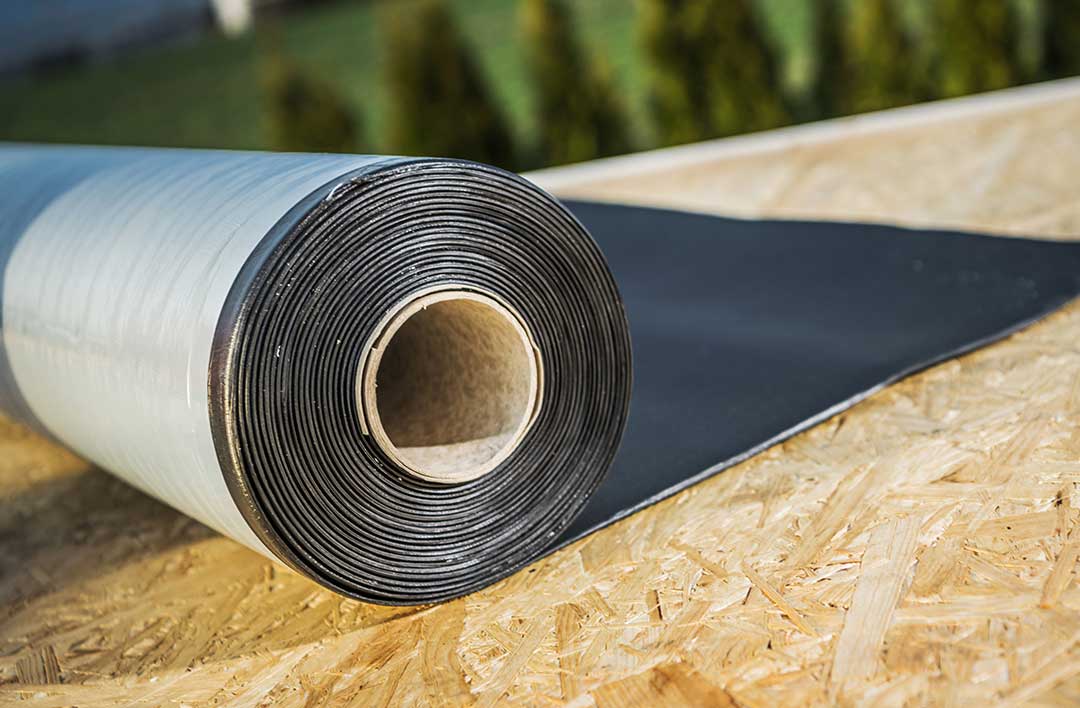
Rain can expose problems with flashing and temporary protection immediately. Freeze-thaw cycles may then enlarge small openings or separate poorly sealed joints. Renovation schedules should allow time for drying wet materials and inspecting the roof after storms.
How can homeowners protect the roof during exterior renovations?
Exterior work should include a clean-up routine at the end of each workday. Nails, screws, metal cutoffs, broken shingles, and sharp debris can damage roofing and gutters long after the main activity has moved elsewhere.
Useful precautions include:
- Covering nearby roof sections before demolition begins
- Using controlled methods for lowering debris
- Keeping tools away from roof edges
- Sweeping rather than dragging materials across shingles
- Removing loose debris before rain or wind
- Checking gutters and downspouts for construction waste
- Inspecting attic spaces for daylight or damp insulation after major work
Magnetic sweepers can help collect ferrous metal debris from the ground, but they do not replace a visual inspection of the roof, gutters, landscaping, and driveway.
What signs indicate renovation-related roof damage?
Some damage is obvious, such as broken shingles, bent flashing, crushed gutters, or punctured membranes. Other signs may appear inside the home days or weeks later.
Watch for:
- New ceiling stains or peeling paint
- Damp insulation or musty attic odors
- Water marks around skylights, vents, or chimneys
- Granules collecting unusually heavily in gutters
- Shingles that are lifted, creased, or missing
- New drafts or daylight visible in the attic
- Gutters pulling away from the roof edge
- Persistent dripping after the exterior appears dry
If water is entering near electrical wiring, light fixtures, or occupied rooms, the area should be treated as a safety concern. Structural damage, unstable roof surfaces, and work near power lines also require qualified assistance because they present risks beyond ordinary maintenance.
Who is responsible for roof protection during a renovation?
Responsibility should be established before work begins. The project plan should identify who controls roof access, who secures temporary coverings, who removes debris, and who inspects the property after severe weather.
Homeowners should also understand that a general renovation crew may not be familiar with every roofing material. Asphalt shingles, wood roofing, metal panels, low-slope membranes, and older roofing systems have different limits for walking, fastening, cleaning, and temporary protection.
Clear expectations reduce confusion. A roof that remains dry, unloaded, clean, and securely covered throughout the project is far less likely to develop hidden damage after the renovation is complete.
