

What Is Roof Decking and Why Does It Matter?
Roof decking is the wooden foundation beneath roofing materials like shingles and underlayment. In Grand Island, NY, where homes are exposed to heavy lake-effect snow, freeze-thaw cycles, and occasional high winds, sound roof decking is vital. Damaged or compromised decking can silently allow moisture, mold, and even structural sagging, impacting a home’s safety and comfort long before leaks appear indoors.
What Are Common Signs of Roof Decking Trouble?
Early signs often show up in subtle ways both outside and inside the home. Recognizing these warnings can help local residents address issues early, limiting the scope and cost of needed repairs.
- Sagging or uneven roof lines: If a once-flat roof appears warped or sagging between the rafters, deteriorated decking could be to blame. This situation is more likely after Grand Island’s heavy winter snow loads or windblown branches have placed added stress on aging wood.
- Soft or spongy feel when walking on the roof: Homeowners who notice unusual give underfoot (if inspecting their roof themselves) may be feeling rot or delaminated wood beneath the shingles.
- Mysterious roof leaks: Not all leaks are visible inside. Sometimes, water-soaked decking dries out in warm weather, hiding evidence of trouble. Any unexplained staining on the ceiling, especially after a thaw or heavy rainfall, calls for closer investigation.
- Visible water stains or streaks in the attic: Discolored streaks or patchy wood may signal past or ongoing leaks. Mold, mildew odor, or warped boards in the attic are red flags.
Why Does Roof Decking Deteriorate in This Area?
Decking problems in Grand Island often trace back to moisture, temperature swings, and roofing age. Local climate patterns can speed up these issues:
- Freeze-thaw cycles: Snow and ice can melt and refreeze in gutters and on roofs, leading to ice dams. Trapped water seeps under shingles, soaking the decking below.
- High humidity: Summers by the river and nearby lakes can be muggy. Trapped attic moisture can travel downward, especially in homes with older or inadequate ventilation.
- Older roofing: Many homes in the area have roofs that are 15-30 years old, a common window for plywood or plank decking to begin showing age, particularly after severe weather years.
Can You Check for Decking Problems Without Removing the Roof?
A direct decking inspection, such as lifting shingles, isn’t possible without construction work, but local homeowners can spot clues from the ground, attic, or with binoculars. Here are safe, practical steps:
- From the ground: Observe rooflines for dips or uneven spots, especially near eaves and valleys.
- In the attic: Shine a flashlight on the underside of the roof deck. Look for discoloration, mold spots, sagging, or nails sticking out at odd angles (a sign of shifting materials).
- After storms or snow melt: Watch for new ceiling stains, musty odors, or visible daylight shining through attic boards.
It’s tempting to overlook these signals if repairs seem minor, but untreated decking issues can quickly escalate during a stormy spring or sudden thaws.
Are Certain Types of Roof Decking More Prone to Problems?
Most homes in the city use plywood or OSB (oriented strand board) decking. Plywood is generally more moisture-resistant than OSB, but both are vulnerable to long-term leaks. Older homes may have board (plank) decking, which can rot or separate after decades, especially if past repairs were made only to shingles or underlayment.
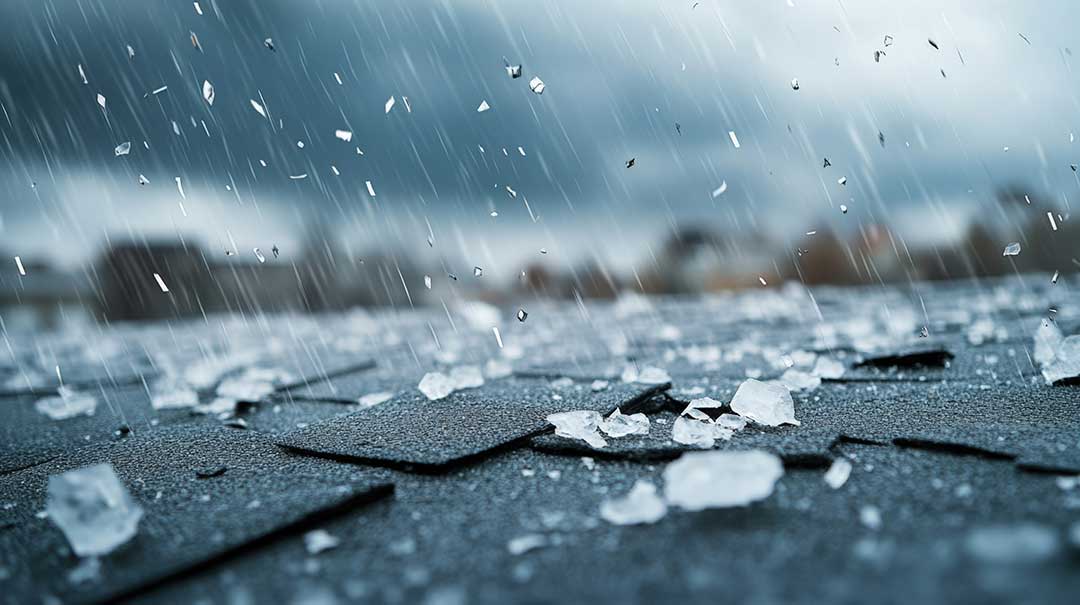
Building standards for roof decking have improved, but some properties may still have thinner boards from earlier decades. Recognizing the history and age of your particular roof can help set expectations for longevity and likely trouble spots.
What Are Common Misconceptions About Roof Decking Issues?
1. “If my shingles look fine, the decking is fine.”
Shingles can remain intact even while moisture slowly damages the decking beneath. Some leaks never reach the living space but destroy the roof’s structure over time.
2. “Only old homes need to worry about decking rot.”
Major storms, ice dams, or poor attic ventilation can damage roof decks on relatively newer homes, especially if installation cut corners or previous storms caused unseen harm.
3. “A little sagging is normal.”
Any noticeable dip in the roof line can indicate severe structural decay. Even small changes are worth investigating, especially after a rough winter.
What Steps Should Residents Take if They Suspect Decking Damage?
If signs are mild, such as small attic stains after a heavy rain or brief musty odors, monitor how quickly the issue returns or worsens after additional storms. Addressing attic ventilation or briefly patching minor roof leaks can help prevent further damage until a closer inspection is possible.
If the problem involves obvious sagging, multiple stains, or visible mold growth, safety is a real concern. Decking can weaken to the point of collapse under additional snow. In these cases, refrain from walking on the roof and limit time in affected attic spaces until a repair plan is developed.
What Can Households Do to Prevent Decking Problems?
Local homeowners can reduce risk with a few practical habits:
- Clear gutters regularly to prevent ice dams and water backup
- Inspect attic insulation and improve ventilation to limit heat and moisture buildup
- Schedule annual visual checks after each winter season, focusing on subtle changes
- Address any leak promptly, even if indoor staining seems small
By staying alert to these local risk factors, residents help preserve both the comfort and structural safety of their homes, all while extending the life of their entire roofing system.
