
Why small roof repairs often become expensive problems
Roof damage rarely stays limited to the original spot. Water can travel beneath shingles, insulation, decking, and interior finishes before the first stain appears. A repair that looks minor from the ground may involve hidden moisture, damaged flashing, or weakened wood below the surface.
For households in Grand Island, NY, seasonal weather can make these issues more noticeable. Snow, ice, wind, freeze-thaw cycles, and heavy rain place repeated stress on roofing materials. Avoiding a few common repair mistakes can help prevent unnecessary damage and make it easier to identify when a problem needs more careful evaluation.
Mistake 1: Repairing only the visible leak
A ceiling stain does not always appear directly below the roof opening. Water may enter around a vent, chimney, valley, or damaged shingle and then move horizontally along roof decking or framing.
Painting over the stain or replacing only the ceiling material treats the symptom rather than the source. Before interior repairs are made, the roof area above the stain should be examined for:
- Missing, cracked, or lifted shingles
- Damaged flashing around penetrations
- Exposed fasteners
- Failed sealant
- Clogged or poorly draining valleys
- Evidence of wet insulation or roof decking
A leak may also stop temporarily after the roof dries, which can create the false impression that the problem has been solved.
Mistake 2: Using roofing materials that do not match
Replacing one damaged shingle with a visibly different type can create both appearance and performance problems. Roofing products vary in size, profile, thickness, fastening requirements, and exposure rating.
A replacement should be compatible with the existing roof system. Differences in material can lead to uneven weathering, poor interlocking, or exposed areas that are more vulnerable to wind. Color matching also matters, but installation compatibility is more important than appearance alone.
If the original material is no longer available, the repair may require a carefully selected substitute or a broader repair area rather than a single mismatched piece.
Mistake 3: Applying too much roofing cement or sealant
Roofing cement and exterior sealants can be useful in limited situations, but they are not a substitute for properly installed flashing or shingles. Excessive sealant may conceal a problem temporarily while making future inspection more difficult.
Thick patches can crack, shrink, trap moisture, or separate from metal and roofing surfaces as temperatures change. In a climate with repeated freezing and thawing, flexible movement and proper water-shedding details matter.
Sealant should generally support a repair, not serve as the main structural or waterproofing method.
Mistake 4: Nailing shingles incorrectly
Fasteners that are too high, too low, too few, or placed outside the intended fastening area can reduce wind resistance. Nails driven through the wrong part of a shingle may also remain exposed to water.
Common fastening problems include:
- Nails that miss the roof decking
- Overdriven nails that cut into the shingle
- Underdriven nails that leave raised heads
- Nails placed above the manufacturer’s fastening line
- Reusing old nail holes when they no longer hold securely
A shingle can look properly positioned while still being poorly attached. Fasteners should be installed according to the roofing material’s specifications and local weather conditions.
Mistake 5: Ignoring flashing around roof openings
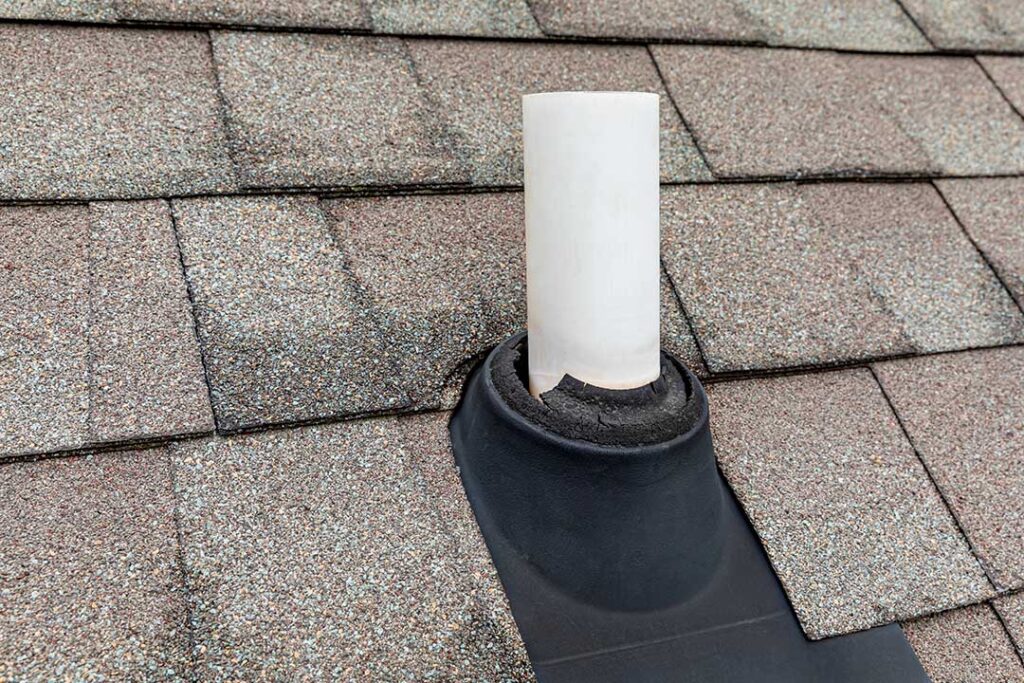
Flashing directs water away from vulnerable transitions. It is commonly installed around chimneys, plumbing vents, skylights, wall intersections, valleys, and roof edges.
Replacing shingles without addressing damaged flashing often results in a recurring leak. The flashing may be rusted, bent, loose, improperly overlapped, or sealed in a way that prevents normal drainage.
Roof penetrations deserve particular attention because they interrupt the roof’s continuous water-shedding surface. A repair that stops at the shingle edge may leave the actual failure untouched.
Mistake 6: Repairing a roof during unsafe conditions
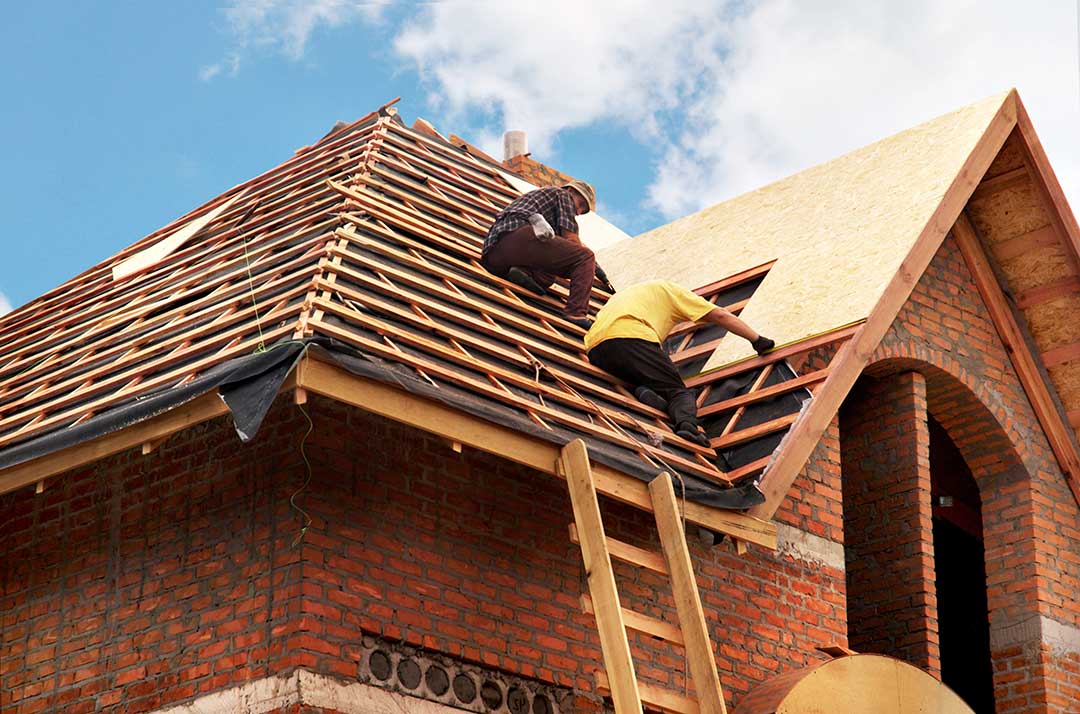
Wet shingles, frost, ice, strong wind, and steep slopes create fall hazards. Walking on a roof can also damage brittle or cold materials, especially when temperatures are low.
Ladders can shift on icy ground, and roof edges may be difficult to see under snow. Even a single-story roof can present serious risks because falls can result in severe injury.
Basic visual checks from the ground are usually safer. If a repair involves climbing, electrical hazards, unstable surfaces, or uncertainty about roof structure, safety should take priority over completing the repair immediately.
Mistake 7: Clearing snow and ice in a damaging way
Snow removal can help reduce unusual loads in some situations, but aggressive scraping can remove protective granules, crack shingles, and damage flashing. Chopping at ice can harm the roof surface and gutters.
Ice dams may form when heat escapes through the attic and melts snow unevenly. The water refreezes near colder roof edges, creating a barrier that can force water beneath shingles.
Removing the visible ice without addressing attic insulation, air sealing, ventilation, or drainage may allow the problem to return. Roof-edge ice should not be treated as only a surface issue.
Mistake 8: Neglecting gutters and roof drainage
A roof repair may fail if water cannot drain properly. Leaves, shingle granules, ice, and debris can restrict gutters and downspouts, causing water to back up near roof edges.
Poor drainage can contribute to:
- Rot at the roof edge
- Damaged fascia and soffits
- Basement or foundation moisture
- Overflow during heavy rain
- Ice formation during winter
Downspouts should discharge water away from the building, and roof valleys should remain clear. Gutters should not be fastened in a way that lifts or damages the lower edge of the roofing system.
Mistake 9: Assuming a roof is beyond repair—or easily repairable
Not every roof with a leak needs complete replacement, but not every leak is suitable for a small patch. The right approach depends on the roof’s age, condition, number of damaged areas, ventilation, decking, and history of previous repairs.
A localized repair may be reasonable when the surrounding materials remain sound. Broader work may be necessary when shingles are failing across large areas, the roof deck is soft, or moisture has affected multiple layers.
The key mistake is making a decision based only on one visible defect rather than the condition of the complete roof system.
Mistake 10: Delaying documentation and follow-up
After a repair, it helps to record the date, location, materials used, and weather conditions when the problem was noticed. Photos taken before and after the work can make future troubleshooting easier.
Following the next significant rainfall, check attic areas, ceilings, upper walls, and roof edges for:
- New discoloration
- Damp insulation
- Musty odors
- Dripping or active moisture
- Peeling paint
- Sagging materials
A repair that appears successful during dry weather may still leak during wind-driven rain or melting snow. Follow-up observation is especially useful after severe weather.
What should never be patched casually?
Some roof conditions require more than a quick surface repair. These include sagging areas, exposed electrical components, widespread rot, active interior flooding, damaged structural framing, and roof sections affected by fallen trees or major wind damage.
Water near electrical wiring should be treated as an urgent safety concern. Interior ceilings that are bulging or saturated may also fail without warning. In these situations, keep people away from the affected area and address immediate safety risks before attempting roof work.
Good roof maintenance is not only about replacing damaged shingles. It also involves understanding how water moves, how materials respond to seasonal weather, and how small installation errors can affect the entire roofing system.
