

What Is Roof Decking and Why Does It Matter?
Roof decking, sometimes called sheathing, is the flat surface installed over the rafters or trusses of your home. It serves as the foundational layer between your roofing materials (like shingles or metal panels) and the inside of your attic. In homes throughout Grand Island, NY, roof decking is usually made from plywood or oriented strand board (OSB), and its quality and condition are essential for weather protection and structural stability.
A solid, undamaged roof deck helps prevent leaks, improves energy efficiency, and supports the life expectancy of your roof system. Without reliable decking, even new shingles won’t perform as expected during harsh winters, windstorms, or heavy rainfall typical in this region.
Which Materials Are Used for Roof Decking in Grand Island Homes?
Most homes in the area use one of two primary materials:
- Plywood: Offers strength and resists splitting. It tends to hold up well against moisture, making it a standard choice for many decades.
- Oriented Strand Board (OSB): Composed of wood strands and resin, OSB is popular for its uniformity, affordability, and ease of installation.
Some older houses in Grand Island may also have wood planks as roof decking, especially if built prior to the 1970s. These boards can last for many years if kept dry but may be more likely to sag or develop gaps if exposed to repeated moisture.
How Can You Tell If Your Roof Decking Needs Attention?
Several warning signs can indicate a problem with decking under your roof:
- Sagging rooflines: This can suggest weakened or rotting boards beneath the shingles.
- Soft spots or spongy feel when walking on the roof: A safe inspection from the attic (never walk a roof unless trained and equipped) may reveal sections that give under gentle pressure.
- Water stains in the attic or ceiling: Persistent leaks often soak the decking, leading to warping or mold growth.
- Visible holes or daylight through the boards: Any light showing through from the attic means the decking layer is likely compromised.
It is a common misconception that only visible leaks mean trouble. Decking can become weakened long before water reaches living spaces, so regular attic checks—especially after heavy storms or ice events—can provide early detection.
How Does Grand Island’s Climate Affect Roof Decking?
Grand Island experiences cold winters, lake-effect snow, and fluctuating temperatures through spring and fall. These conditions can stress roof decking in several ways:
- Ice dams: Snow melts and refreezes, allowing water to back up under shingles and soak the decking, increasing the risk of rot and mold.
- Heavy wet snow: Decking must be sturdy to support accumulated weight without sagging or deformation.
- Humidity and condensation: Poor attic ventilation leads to excess moisture, which can cause decking to weaken over time.
- Strong winds: Sudden gusts not only damage outer roofing materials but can tug at fasteners and seams in the decking, especially if it’s already compromised.
Staying proactive with attic ventilation, insulation, and regular roof checkups can make a significant difference in how well your decking endures local weather.
What Happens If Roof Decking Is Damaged?
Damaged or decaying roof decking is much more than a minor maintenance issue. It can lead to:
- Shingle failure: Even the best shingles won’t stay put on soft or crumbling decking, making the roof vulnerable to leaks.
- Structural risks: If decking loses integrity, it can change the load distribution on rafters, leading to uneven settling or, in extreme cases, partial collapse.
- Indoor air quality concerns: Mold and mildew thrive on consistently damp wood, potentially spreading into living spaces and affecting health.
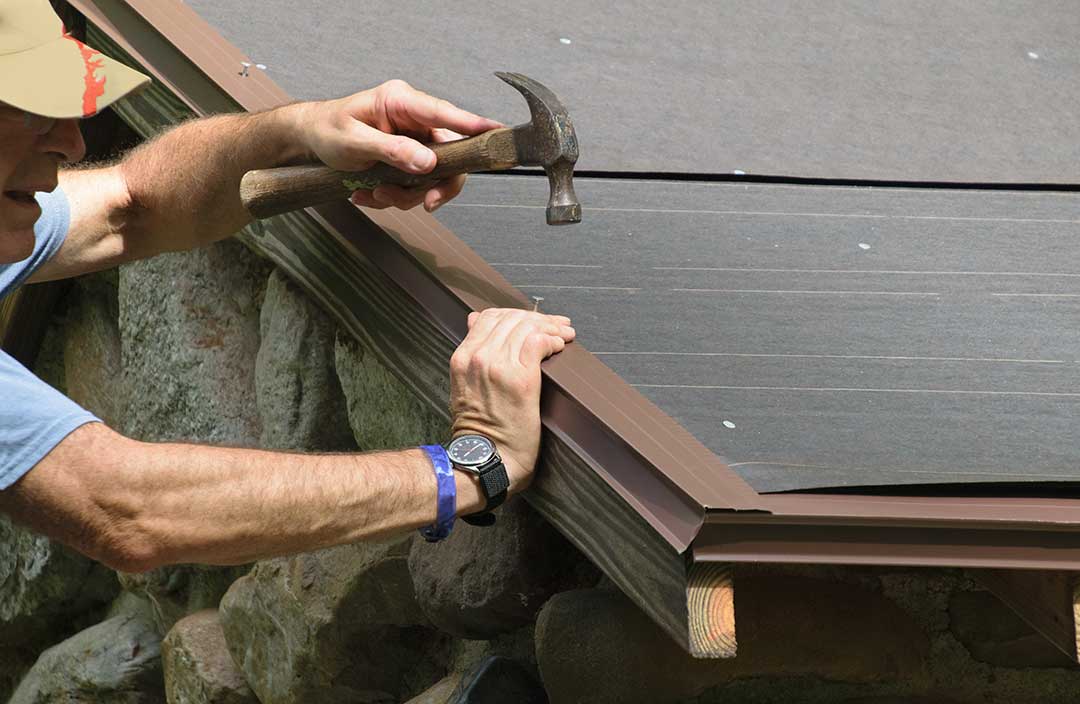
Ignoring these underlying problems means future repairs are often more extensive and expensive. Addressing issues when they’re small helps preserve the lifespan of the entire roofing system.
Is Roof Decking Ever Repaired, or Is Replacement Necessary?
Not all damage requires full replacement, but repairs must be thorough to ensure safety and longevity. Isolated areas of rot or water damage can sometimes be cut out and replaced with new board sections. However, widespread deterioration or sagging across multiple sections means a larger replacement is generally needed.
In Grand Island, building codes require that roof decking is solid, continuous, and securely fastened before any new roofing is installed. This ensures shingles or other materials have a proper anchor and the home is ready for seasonal storms.
What Should Area Homeowners Know Before a Roofing Project?
If major work on your roof is needed, local residents benefit from asking key questions:
- Will the decking be inspected for hidden damage before roof installation?
- Are local code requirements for decking thickness and fastening methods being followed?
- If the roof is being replaced, will ice and water shield barriers be used to protect decking from future ice dam issues?
- Is ventilation sufficient to reduce condensation during winter and summer?
Area homes, given their exposure to heavy precipitation and wind, often require a more robust approach to roof system installation than regions with milder climates.
Are There Preventative Steps Homeowners Can Take?
There are practical actions Grand Island residents can do to help safeguard their roof decking:
- Regularly check attic spaces for early signs of moisture, mold, or patchy insulation.
- Ensure gutters and downspouts are clear to direct water away from the roof and foundation.
- Look for shingle granules in gutters—a possible hint of underlying decking stress due to aged or damaged shingle layers.
- Confirm attic ventilation is working by checking for ice build-up, unusual heat, or humidity levels during seasonal transitions.
Catching small issues before they impact the roof deck makes maintenance more manageable and supports the long-term health of the building’s structure.
